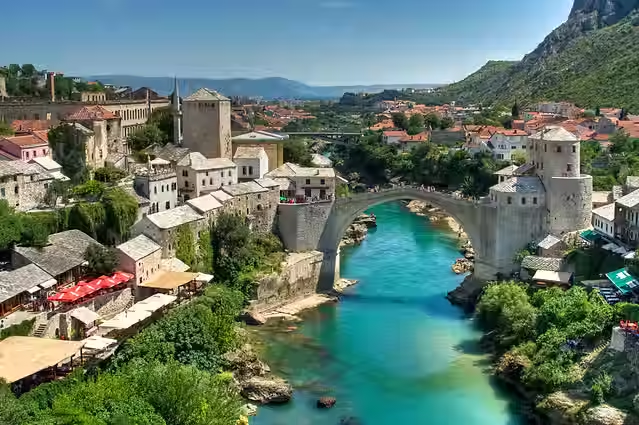
Bosnia and Herzegovina
Education
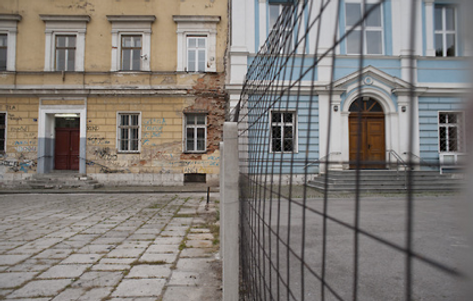
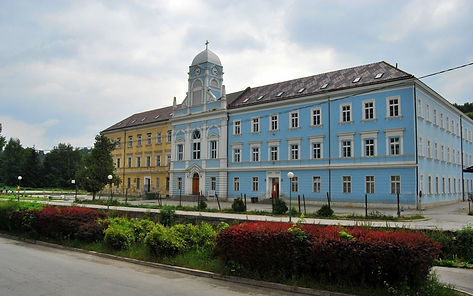
Under the “Two Schools Under One Roof” ideology, education becomes one of the least reformed sectors in Bosnian society. In schools at all levels, ethnic intolerance, religious segregation, and division are all normalized and accepted. The “Two Schools Under One Roof”, established in 2000, led to no mutual contact between the different ethnic groups, teachers teaching hateful, nationalist rhetoric about other groups, and a one-sided history of the Bosnian War. This concept is highly praised by the residents as a way to prevent ethnic conflict. Through each textbook and school teaching the students one group is better than the other, glamorizing war criminals, and spewing out nationalist ideologies, the younger generation is isolated, leading them to become the main population in protests. This ethnic-biased education system currently has no end, due to the large amount of support and deepened ties to the Bosnian society. While there are some organizations campaigning for a more inclusive school system, the efforts are unsuccessful.
The authoritarian control imposed on Rwanda proved effective in ending conflict, but it does not fully solve the underlying problems due to the lack of addressing these grievances. With the new administration, all issues on ethnic labels were removed, sweeping the conflict under the rug. This makes it difficult for peacebuilding to occur, as these problems are not talked about. Rwandans affected by the genocide have no closure, leading to continuing issues between the two ethnic groups.
This “Two Schools Under One Roof” approach of keeping the ethnic groups separated to avoid potential triggers of conflict can be viewed as a short-term solution in preventing conflict, but this method instead increases hostility. Education is an important aspect in shaping one's identity, and from a young age, as the different ethnic groups are segregated, and are taught a “us vs. them” mentality, this instead reinforces divisions, rather than reducing them, as students grow up with limited interactions with other ethnic groups and are taught a singular perspective. As a result, this policy, meant to be a protective measure, is actually a dangerous one, restricting any possible reconciliation efforts.
International Criminal Tribunal for the Former Yugoslavia
Post-Bosnian War, the International Criminal Tribunal for the Former Yugoslavia (ICTY) prosecuted many high-profile war crimes, establishing a commitment towards accountability. Although many were charged, some Bosniaks felt that early prosecutions failed to target key perpetrators, while some Bosniaks and Serbs felt the unfairness. On a more local level, truth-telling initiatives were created to document war-crime atrocities to promote remembrance. During these documentations, due to competing ethnic narratives and the denial of the genocide, reconciliation was difficult. While the judicial system largely helped towards accountability, meaningful reconciliation was difficult due to some neglect of socioeconomic grievances, such as unemployment and inequalities.
The authoritarian control imposed on Rwanda proved effective in ending conflict, but it does not fully solve the underlying problems due to the lack of addressing these grievances. With the new administration, all issues on ethnic labels were removed, sweeping the conflict under the rug. This makes it difficult for peacebuilding to occur, as these problems are not talked about. Rwandans affected by the genocide have no closure, leading to continuing issues between the two ethnic groups.
Overall, the ICTY was effective in promoting accountability, which was extremely important in the peacebuilding process after the Bosnian War. Through established legal accountability and documented crimes, the truth-telling initiatives gave victims a platform to preserve the horrific crimes and atrocities that happened. This is an important step towards justice and historical clarity, as through the clear documentation, future generations can learn about the scale of the atrocities, helping prevent the denial and repetition of these crimes. Furthermore, by holding the perpetrators accountable, ICTY reinforced the unacceptability of violations even during times of war. This contributes to the healing of the community as high-profile criminals are no longer walking freely, and can foster trust in the legal system, encouraging reconciliation and stability in the region.
International Intervention
The NATO intervention during the Bosnian War was a military operation aimed at implementing a peace agreement between the three ethnic groups, Bosniaks, Croats, and Serbs. As the United Nations intervention proved inefficient, the NATO presence of 60,000 soldiers, 20,000 of whom were American, entered Bosnia and Herzegovina to stop the ongoing war. The NATO presence and air raids for 3 years had no effect until the Serb attack against Srebrenica, a Muslim safe area protected by the UN. This mass murdering of innocent Muslim men and boys forced the West into action. Through the meeting in Dayton, Ohio, by all three parties, eventually a peace plan with specific dates and a timeline was created.
The NATO intervention seen during the Bosnian War was largely ineffective in peacekeeping. Although NATO presence was constant for many years, no substantial effort was made until the genocide of innocent Muslim men and boys occurred. In addition, before the arrival of the NATO forces, UN soldiers were placed in Bosnia to mediate the conflict. Due to many conflicting political views from both the United States and Russia, the UN was unable to act.